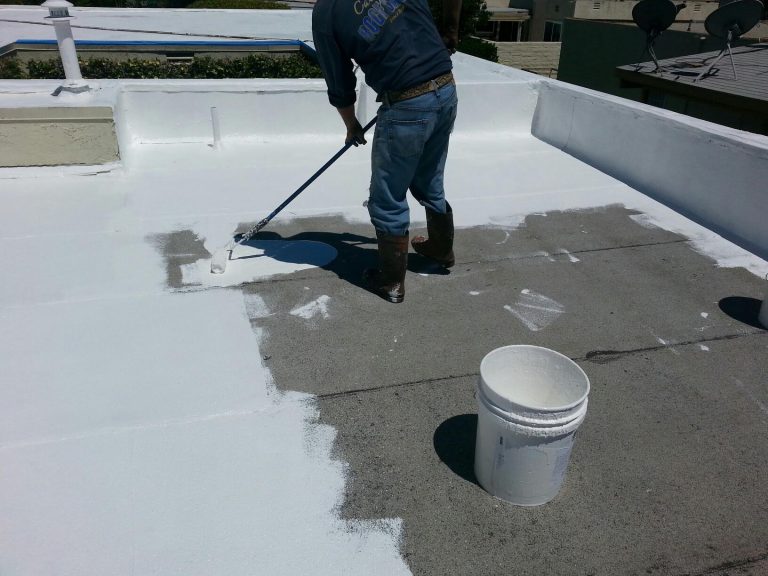
Arizona Heat Wears a Roof Down Slowly. Here Is What to Watch For
Short answer: Arizona summer heat destroys roofs slowly, through UV breakdown of the surface material, expansion and contraction that loosens seams and fasteners, and accelerated aging of coatings and shingles that would otherwise last decades in a milder climate. The damage rarely announces itself with a single dramatic event. It shows up as curling shingles, chalking or thinning coatings, and small cracks that widen every summer until something finally fails.
Why Arizona heat is genuinely harder on a roof
Roof surface temperatures in Phoenix-area summers regularly exceed 150 to 160 degrees, far beyond what most roofing materials were engineered around when tested in milder climates. That heat does three things at once: it breaks down the molecular structure of asphalt and coatings through UV exposure, it drives daily expansion and contraction cycles that stress seams and fasteners, and it accelerates the aging clock on every material on the roof. A roof that would show its age gradually over 25 years elsewhere can show real wear in half that time here.
Warning signs to watch for, by roof type
Asphalt shingle roofs
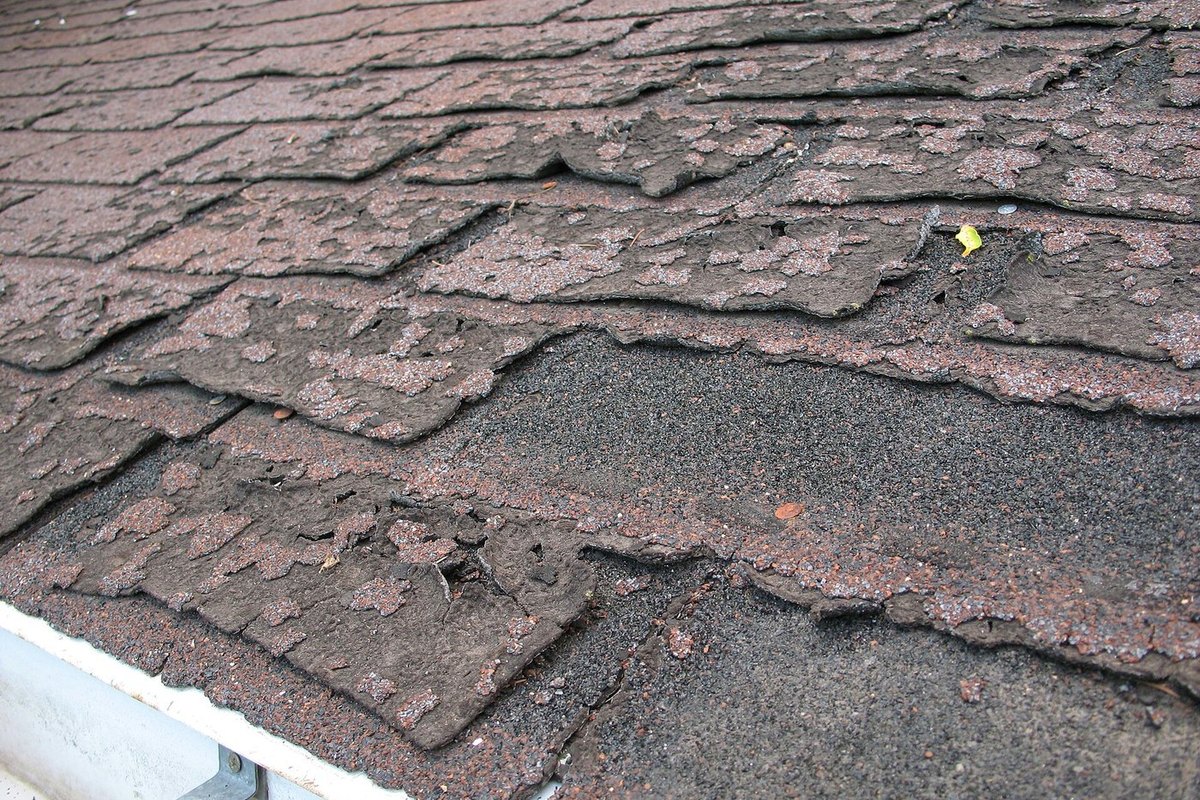
- Curling or cupping shingles. Heat dries out the asphalt and causes the edges to lift or curl upward, which is one of the clearest signs of sun damage
- Granule loss. The protective granules on a shingle’s surface wear away faster under intense UV, leaving bald patches that accelerate further degradation
- Cracking, especially on south and west-facing slopes, which take the most direct summer sun
Foam and coated flat roofs
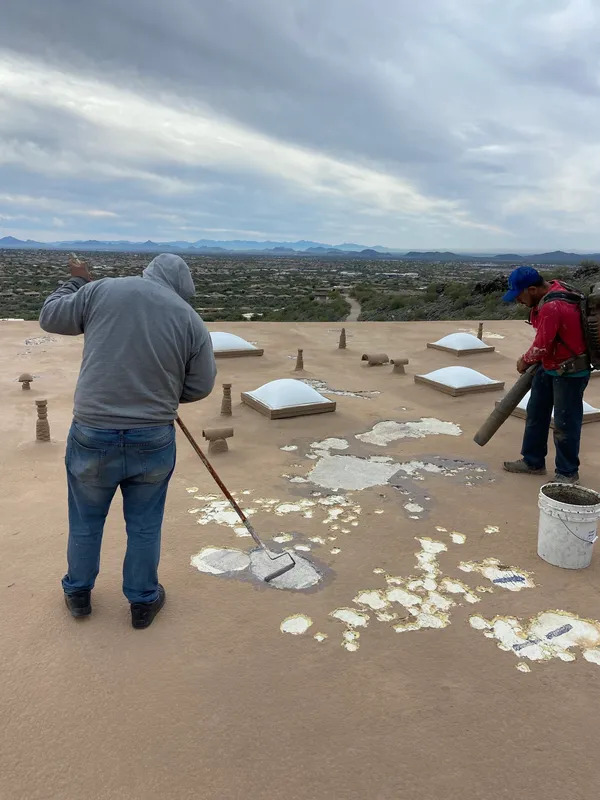
- Chalking. A powdery residue on the coating surface means the UV protection layer is breaking down
- Blistering. Trapped moisture expands under heat and pushes up small bubbles in the coating, which can crack open and let water in
- Thinning at seams and edges, where the coating is applied thinnest and takes the most stress from expansion and contraction
Tile roofs
- Cracked or shifted tiles from thermal expansion, especially on older tile that has already lost some flexibility
- Underlayment failure beneath intact-looking tile. The tile itself can outlast the underlayment by decades, and heat is what ages that underlayment fastest
Why this matters more than it looks like it does
Heat damage is progressive and mostly invisible from the ground. A few curled shingles or a chalky patch of coating do not look urgent, but each is a sign the material’s protective layer is compromised in that spot, and Arizona’s sun does not let up to give it a break. What starts as a cosmetic issue in June is often a leak by the next monsoon season, because the damage does not pause, it accumulates.
What actually slows this down
- Reflective coatings on flat roofs reduce surface temperature significantly and are one of the most effective defenses against heat aging specifically built for this climate
- Regular inspections, ideally before and after summer, catch chalking, curling, and cracking while they are still a maintenance item rather than a repair
- Prompt attention to the first signs, since heat damage does not reverse itself and only gets worse with another summer added on top
“Circle G was recommended by a neighbor who was impressed by their foam roof repair and coating work. I subsequently have hired them every time my foam roof needs a recoat and they have done an outstanding job at an excellent price every time.”
Get your roof checked before summer damage becomes a leak
Whether it is curling shingles, a chalky coating, or tile you have not had looked at in years, we will tell you honestly what condition your roof is actually in.
Call Circle G Roofing at (602) 791-6415 or toll free at (877) 239-1274, or request an inspection. We handle emergency leaks 24/7 and cover Scottsdale, Paradise Valley, Cave Creek, Carefree, Phoenix and the wider Maricopa County area.
If a flat roof coating is showing chalking or wear, see our silicone roof coating and polyurea coating options for what recoating actually involves.
Frequently Asked Questions
How much faster do roofs age in Arizona compared to other states?
Can heat damage be reversed with a coating?
Is curling on asphalt shingles always heat damage?
Talk to Circle G Roofing
Family-run roofers serving Scottsdale, Paradise Valley, Cave Creek, Carefree and the Phoenix area.