Licensed, bonded and insured · Family run, Scottsdale AZ · AZ ROC #243220
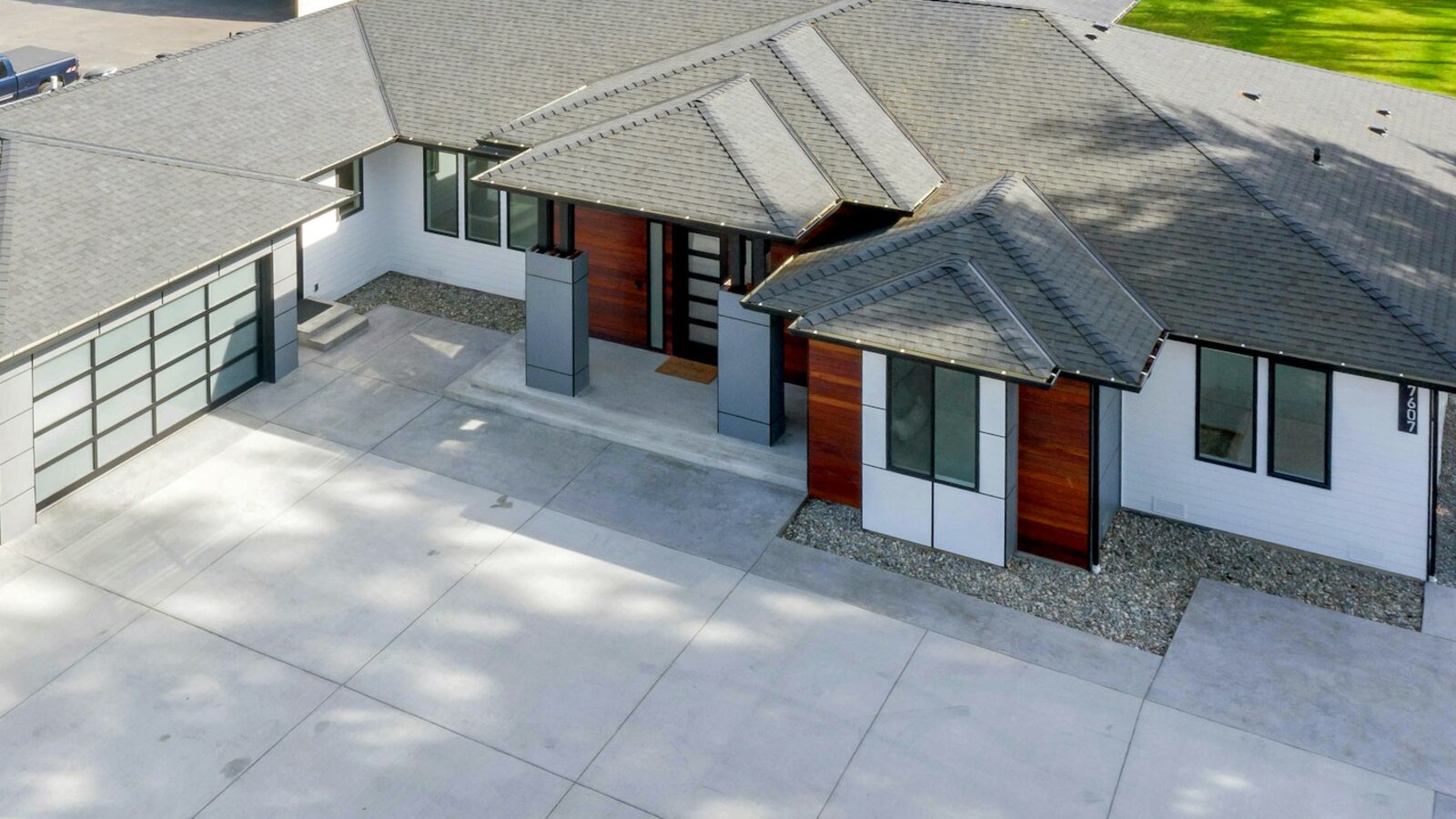
Asphalt shingle roofing for homes across Scottsdale, installed and repaired by the same family run crew.
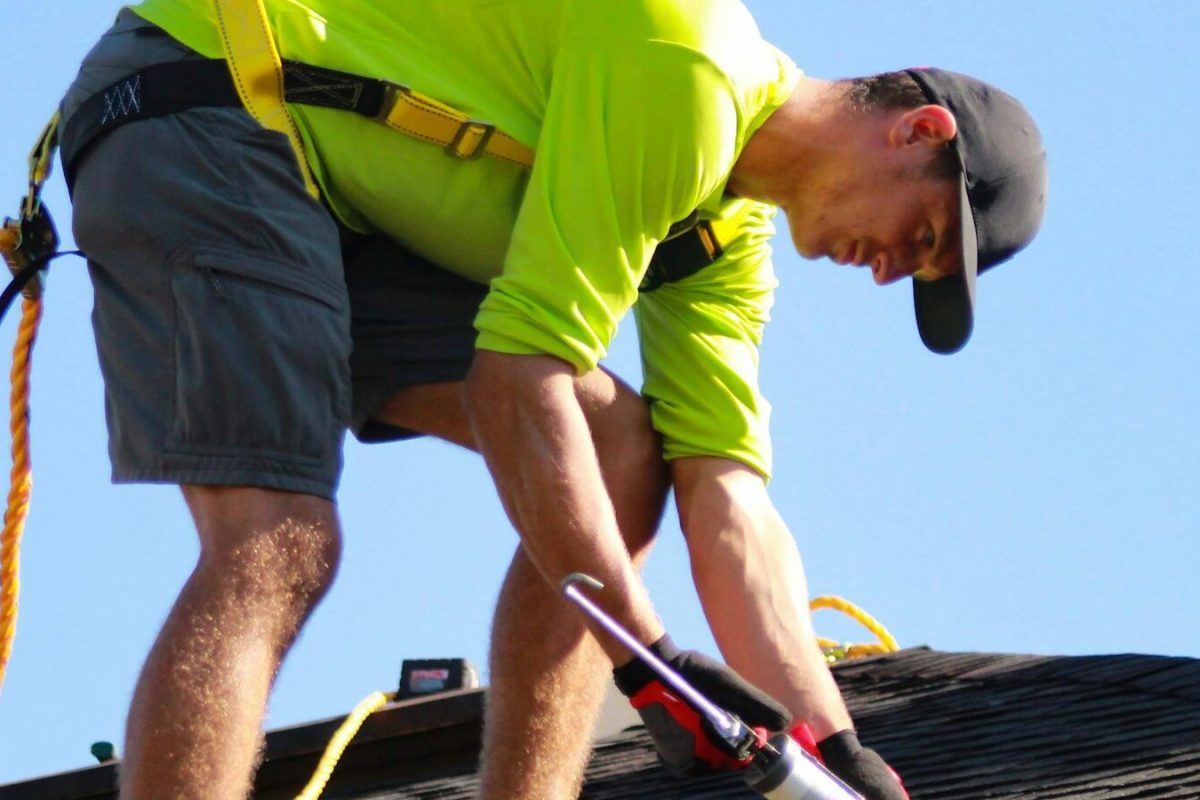


A shingle roof over a poorly vented attic cooks from both sides and ages years faster. We check intake and exhaust at the inspection, because the cheapest way to make a new roof last longer is to let the heat out of the space under it.

A look at the flashing, the valleys and the gutter line once a year catches lifted shingles and granule loss while it is still a repair rather than a replacement.
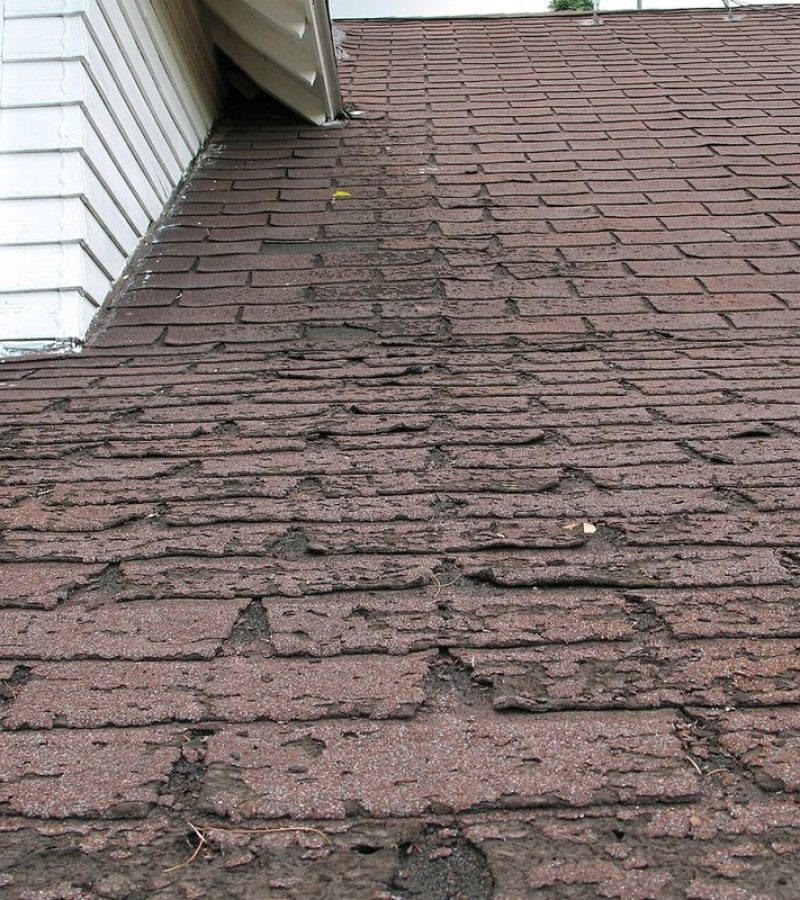
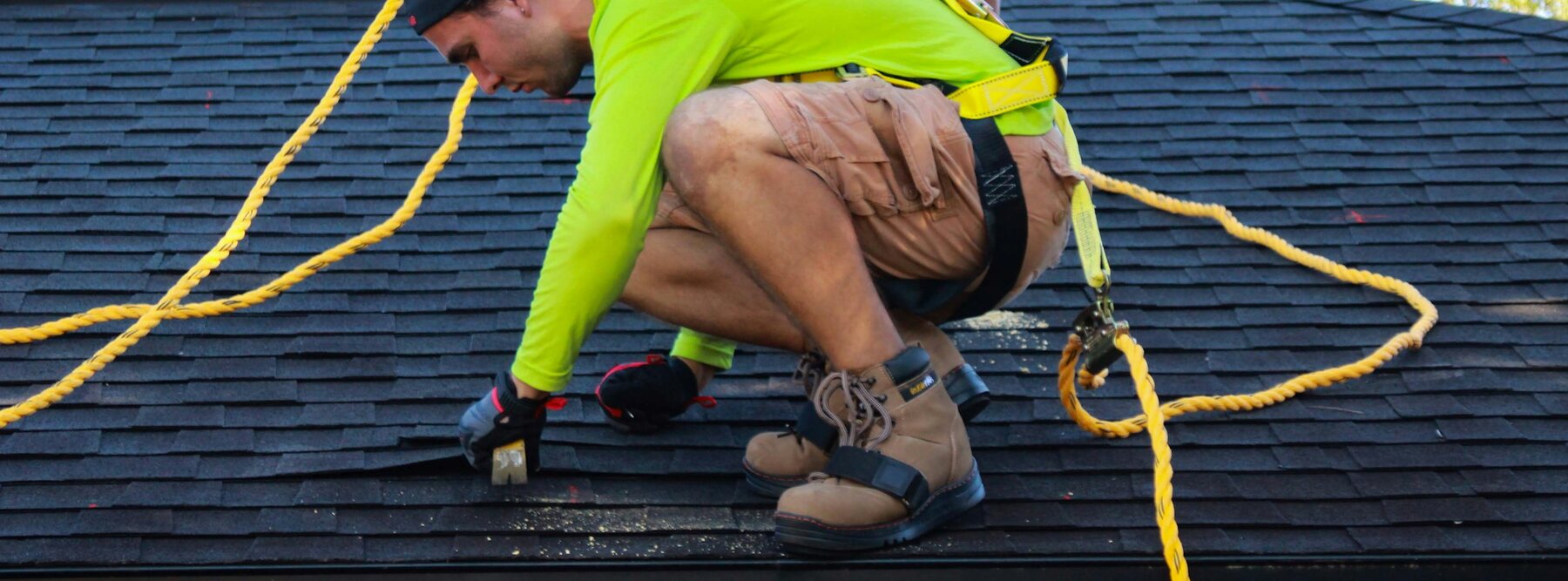
A shingle is asphalt saturated mat with a layer of mineral granules on top, and those granules are the sunscreen. Arizona UV and 160 degree deck temperatures drive the volatiles out of the asphalt, the mat gets brittle, and the granules let go and end up in the gutter. Once enough of them are gone the shingle curls at the edges and the next monsoon wind finds it. That is why a roof rated for 30 years somewhere mild is doing well to reach the twenties here.
What you can control is everything around the shingle. A vented attic that lets heat out, underlayment that does not cook, valleys and headwall flashing formed properly rather than caulked, and fasteners driven to the right depth. Get those right and you get the top of the range out of the roof. Get them wrong and the shingle is the least of your problems.
Every new asphalt roof installation is backed by a five year workmanship warranty, on top of whatever the shingle manufacturer covers.
Three steps from the first phone call to a finished roof, with the price agreed in writing before we start.
We get on the roof, photograph the shingles, the flashing and the attic ventilation and show you, whether or not you need work.
The shingle, the underlayment, the flashing detail and the warranty spelled out in writing before anything starts.
Our own crew lays the roof, clears every nail off the driveway and walks the finished job with you.
Shingles are the roof people assume anyone can lay, which is exactly why they leak. Nails driven high or overdriven, valleys cut short, step flashing replaced with a bead of sealant, a vent boot reused because it looked fine from the ladder: none of it shows the week the job finishes, and all of it shows the first time a monsoon drives rain sideways.
The Gordons roof homes in Scottsdale, AZ and across the wider Maricopa County valley, from Phoenix to Cave Creek. The inspection comes first. We check the shingles, the flashing, the decking and the attic ventilation, then tell you honestly which the roof needs: a repair, a section, or a full replacement, with photos and a fixed written price before anything comes off.

We check the shingles, the flashing, the decking and the attic ventilation, then walk you through what we actually found up there.
The inspection and the written quote cost you nothing, work or no work.
We do not push you into a new roof. If a repair will hold for another few seasons, we will say so, and either way you get the reasoning and the number in writing.
Emergency leak response across Scottsdale and the Valley.
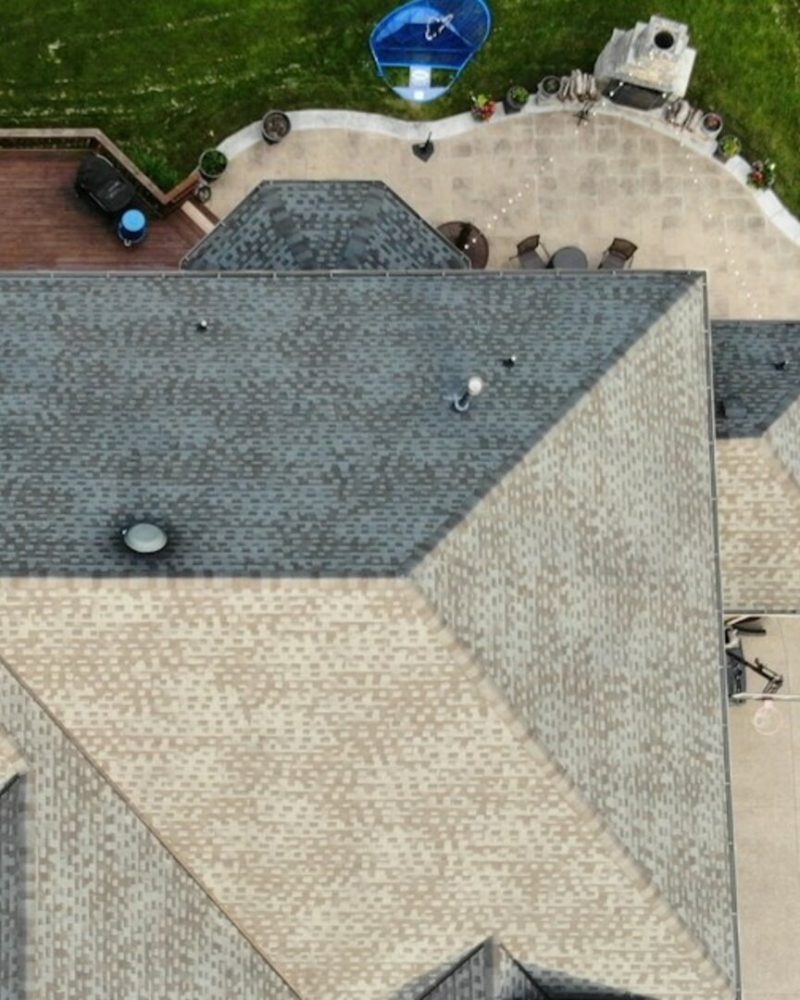
A shingle roof is built from the deck up and every layer covers the one before it. Here is the order a Circle G Roofing asphalt roof goes on in.
The old roof comes off and the decking underneath is checked for soft spots and water damage, and anything rotten is replaced.
Drip edge and underlayment go down over the whole roof, lapped correctly and carried into the valleys.
Valleys, step flashing, headwall flashing and every vent boot are renewed and tied in before the shingles start.
Shingles are laid to the manufacturer nailing pattern, ridge caps finished, and the site is swept with a magnet before we leave.


BBB accredited, and Angie’s List Super Service Award in 2013 and 2014. Free inspection either way, work or no work.
You do not have to guess, and you do not have to climb up there. An asphalt roof shows its age from the ground and in the gutters long before it lets water in.
If any of these sound like your roof, have someone look before the next monsoon finds the weak spot. Caught early it is usually a repair, not a replacement.
These are the questions people search for most before putting an asphalt roof on, and the answers we give standing on the roof. If yours is not here, ask us at the inspection.
Fifteen to thirty years, and where a roof lands in that range is decided by the sun and the attic under it. Arizona UV and high deck temperatures age the asphalt mat faster than a mild climate does, so a shingle rated for 30 years elsewhere is doing well to reach the twenties here. Good attic ventilation, decent underlayment and a roof that gets looked at once a year buy you the top of the range.
Tile lasts longer and handles the heat better, because the tile sits up off the deck and air moves under it. Asphalt costs less up front, goes on faster, and suits a roof pitch or a structure that will not carry tile weight. The honest split: if you are staying in the house for decades and the structure can take it, tile is the better roof. If you need a sound roof at a sensible price, asphalt is the right call. We quote both and tell you which your house actually suits.
Often, yes. If the shingle is still flexible, the granules are largely intact and the damage is in one area, a repair is the right answer and we will tell you so. Where a roof is brittle across the whole surface, patching it just moves the leak, because every shingle a boot touches breaks another one. The inspection photos make that call obvious rather than a matter of opinion.
Yes, when they are nailed properly. Wind gets under a shingle at the edge and peels it, and almost every blow off we are called to had nails driven too high, overdriven through the mat, or too few of them. We nail to the manufacturer pattern in the nailing strip, which is what the wind rating on the packet actually depends on.
Look in the gutters and along the roof edge. Granules collecting in the gutter mean the shingle is losing its sunscreen. Curled or lifted edges, bare patches where the black mat shows through, shingles missing after a storm and stains on a ceiling are the rest of the list. Past about fifteen years in Arizona sun, those signs usually mean the roof is near the end rather than in need of a patch.
It depends on the size and pitch of the roof, how many layers have to come off, what the decking looks like underneath, which shingle you choose and how much flashing and ventilation work goes with it. We will not put a number on it over the phone from a guess. We get on the roof, photograph what is actually there and give you a fixed price in writing. The inspection and the quote cost you nothing, work or no work.
Seeing granules in the gutters or shingles in the yard? Contact Circle G Roofing for a free inspection and a written fixed price, and we will tell you straight whether it is a repair or time for a new roof.


