The First Few Days After a Storm Matter Most
Short answer: After hail or a monsoon storm hits your Scottsdale roof, document the damage with photos before anything is cleaned up, avoid walking the roof yourself, and get a professional inspection before filing an insurance claim. Insurance companies expect prompt reporting, and a proper inspection finds damage that is not visible from the ground, which matters both for repair and for your claim.
Right after the storm
- Check for interior signs first. Water stains on ceilings, dripping, or debris in the attic are things you can safely check without going near the roof
- Photograph visible exterior damage from the ground. Dented gutters, downspouts, and AC units, displaced yard debris, and any shingles or tile pieces that landed in the yard are all useful evidence
- Do not walk the roof yourself. Storm-damaged roofing can be structurally compromised in ways that are not obvious, and hail or wind damage is often easiest to miss from an untrained eye anyway
- Cover any active interior leak with a bucket or tarp indoors if it is safe to do so, without climbing onto the roof
What Scottsdale storm damage actually looks like
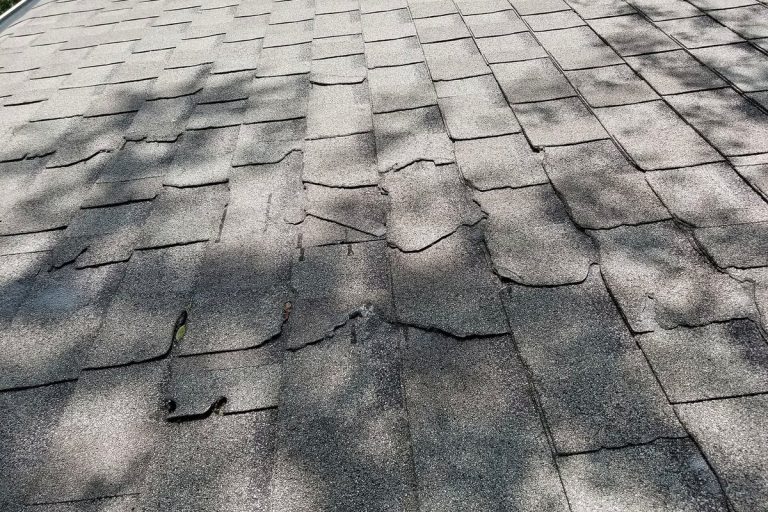
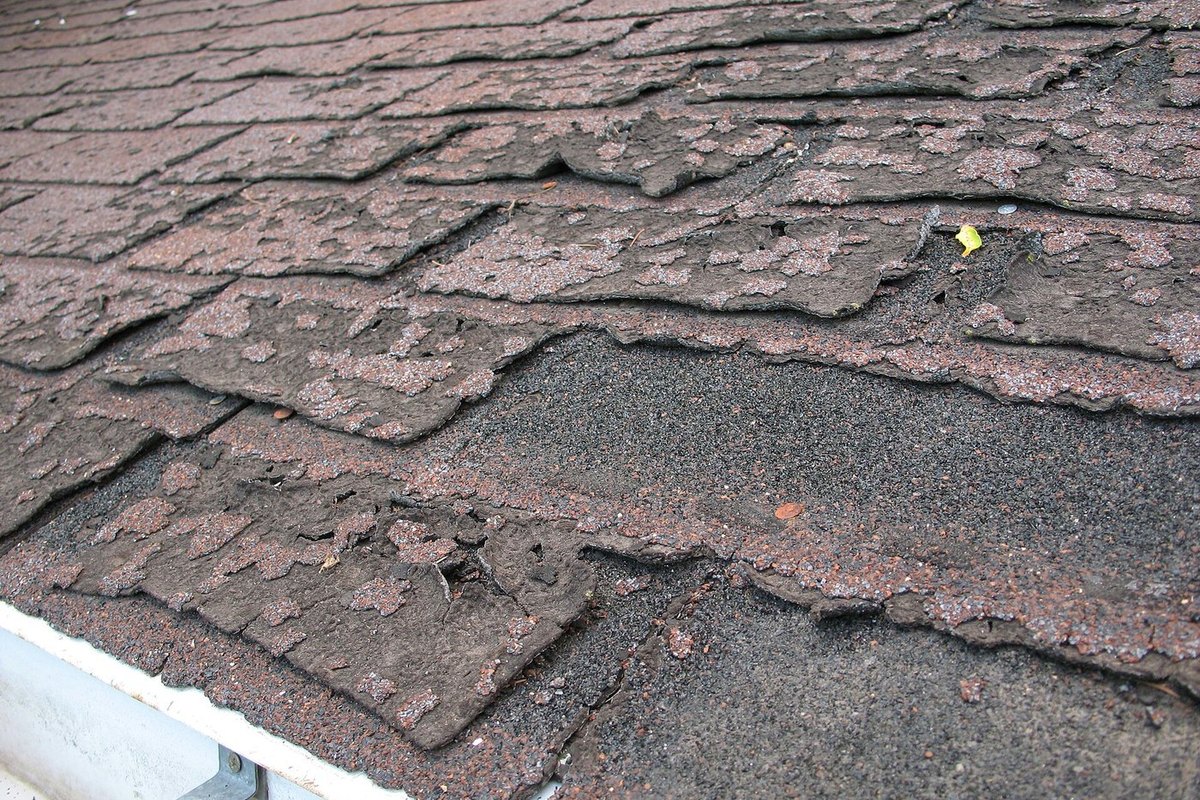
- Hail bruising on asphalt shingles, which looks like a soft dark spot where granules have been knocked loose, sometimes without a visible hole
- Cracked or slipped tile from wind-driven debris or hail impact, which can leave the underlayment exposed even when the crack itself looks minor
- Torn or lifted flashing and seams around penetrations, a common failure point after high wind
- Debris impact damage on flat roof coatings from branches or wind-carried objects, which can puncture or tear a coating that was otherwise sound
- Displaced gravel or ballast on some flat roof systems, exposing the membrane underneath
Get a professional inspection before you do anything else
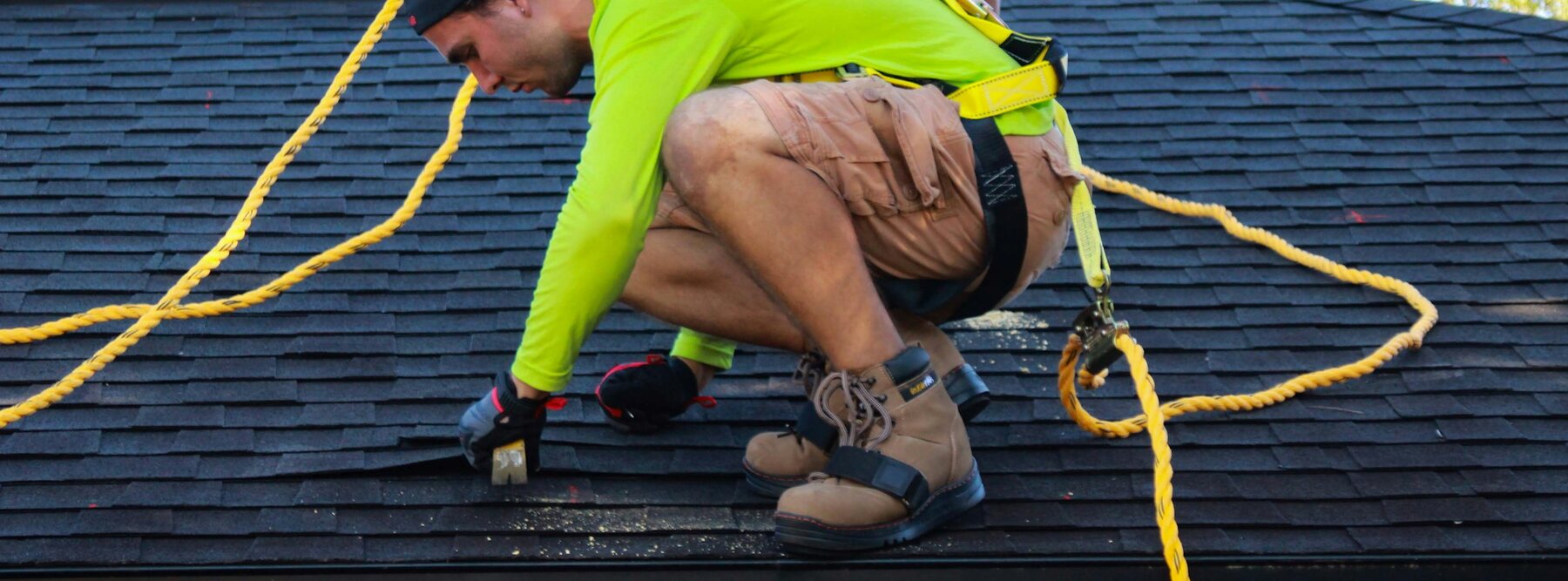
Hail and wind damage is frequently invisible from the ground and even from many rooftop vantage points if you do not know exactly what you are looking for. A proper inspection checks every slope, all flashing and penetrations, and the condition of gutters and downspouts, and documents everything with photos specifically for insurance purposes. This step matters even if the roof looks fine, since damage that goes unaddressed can turn into a leak weeks or months later, well after the storm that caused it.
“During the storms recently, a small amount of water had dripped from our ceiling so we called to have them come out under their warranty. Jimmy immediately put me on schedule and was at my house right away. He inspected our roof and found that one of our roof vent T-tops had been blown open in the winds which allowed water to get in.”
Filing an insurance claim
- Report promptly. Most policies expect storm damage to be reported within a reasonable window, and delaying can complicate a claim
- Get an independent inspection report that documents the damage in detail, not just a verbal opinion, since insurers want documentation they can act on
- Know the difference between wear and storm damage. An insurer’s adjuster is looking specifically for storm-caused damage, not general age-related wear, so a report that distinguishes the two carries more weight
- Keep your own photos and notes from right after the storm as a record independent of the professional inspection
“After a storm in our neighborhood, I was approached by a different roofing company. They said I needed a new roof with an outrageous price tag to go with it. They said it would all be covered by my insurance company but of course my insurance company didn’t agree that it needed all that work done because it didn’t. I then called Circle G who came out the next day, assessed the work needed and came back with an honest and reasonable roof repair quote.”
What happens if storm damage is ignored
A cracked tile or a small area of hail-bruised shingles does not usually leak the day it happens. It leaks the next time it rains hard, or the time after that, once water finally finds its way through the compromised spot. Waiting to address storm damage does not save money, it usually turns a straightforward repair into a larger one, and it can also complicate an insurance claim filed well after the storm that actually caused the damage.
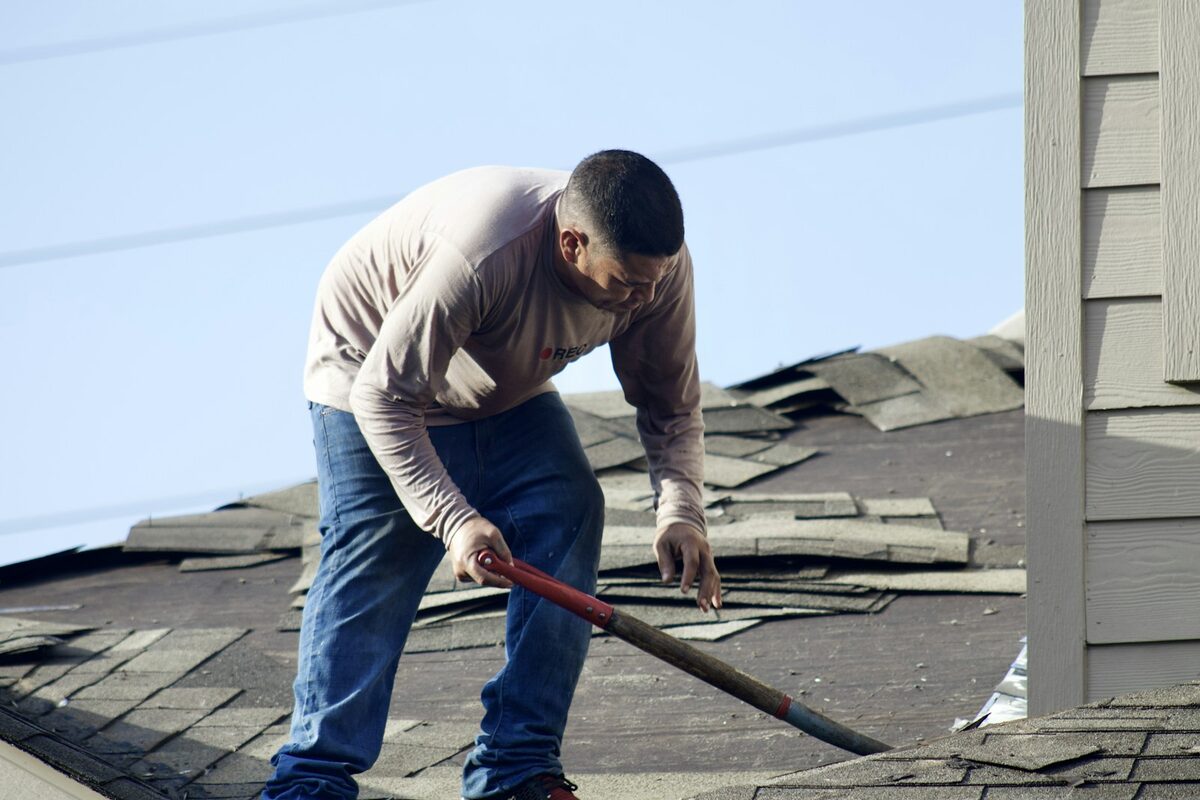
Storm damage on your roof? Get it checked before your next claim deadline
We inspect and document storm damage for insurance purposes and handle the repair once you know what you are dealing with.
Call Circle G Roofing at (602) 791-6415 or toll free at (877) 239-1274, or request an inspection. We handle emergency leaks 24/7 and cover Scottsdale, Paradise Valley, Cave Creek, Carefree, Phoenix and the wider Maricopa County area.
Frequently Asked Questions
How soon after a storm should I get my roof inspected?
Can hail damage a tile roof, not just shingles?
Will my insurance cover storm damage to my roof?
Talk to Circle G Roofing
Family-run roofers serving Scottsdale, Paradise Valley, Cave Creek, Carefree and the Phoenix area.