Hidden Roof Leaks Show Up Long Before the Drip
Short answer: A hidden roof leak in Arizona rarely shows up as an obvious drip. It usually appears as a faint ceiling stain that only darkens after rain, a musty smell in one room, or a small bubble in paint or drywall that was not there before. What is really causing it is almost never where the sign shows up, water travels along framing and roofing layers before it ever reaches a spot you can see, which is why so many leaks get missed until they are much bigger.
1. A ceiling stain that appears only sometimes
A stain that darkens after a storm and seems to fade afterward is not going away, it is just drying between rain events. This is one of the most common ways a hidden leak first shows itself, and the actual entry point on the roof is often several feet away from where the stain appears, since water follows the path of least resistance along rafters and sheathing before dripping down.
2. A musty or damp smell in one specific room
Trapped moisture inside a wall or attic space produces a smell before it ever produces a visible stain. If one room consistently smells different, especially after monsoon season, that is worth investigating even with no visible sign yet.
3. Peeling paint or a small bubble in drywall
Moisture behind a wall or ceiling pushes paint and drywall away from the surface before it ever drips through visibly. A small, isolated bubble or peeling patch, especially near an exterior wall or under a roof valley, is often the earliest visible sign there is.
4. Higher energy bills with no other explanation
Water intrusion in attic insulation reduces its effectiveness significantly, which shows up as your HVAC system working harder to keep up. If your cooling bill has crept up and nothing else has changed, wet or compressed insulation from a slow roof leak is worth ruling out.
5. Rust or staining around roof penetrations
Vent pipes, AC units, chimneys and skylights are the most common places a flat or tile roof actually fails, because they interrupt the roof’s surface and rely on flashing and sealant that ages faster than the roofing material around it. Rust streaks or dark staining at these points, visible from the ground with binoculars or from a ladder, often points to exactly where water is getting in.
“We just had to call them back for warranty work that they were very responsive with the request and came out and fixed the issues without question or problem! The issues were with our skylights and bathroom fan areas (and not overall flat part of our roof area) so they were quick to diagnose the issue and fix!”

What’s really causing it
In Arizona specifically, hidden leaks trace back to a short list of real causes far more often than a simple hole in the roofing material:
- Failed flashing around penetrations and roof-to-wall transitions, which ages faster than the surrounding roof and is the single most common leak source
- Coating breakdown on flat roofs that has thinned or cracked from UV exposure, letting water through at a weak point rather than across the whole surface
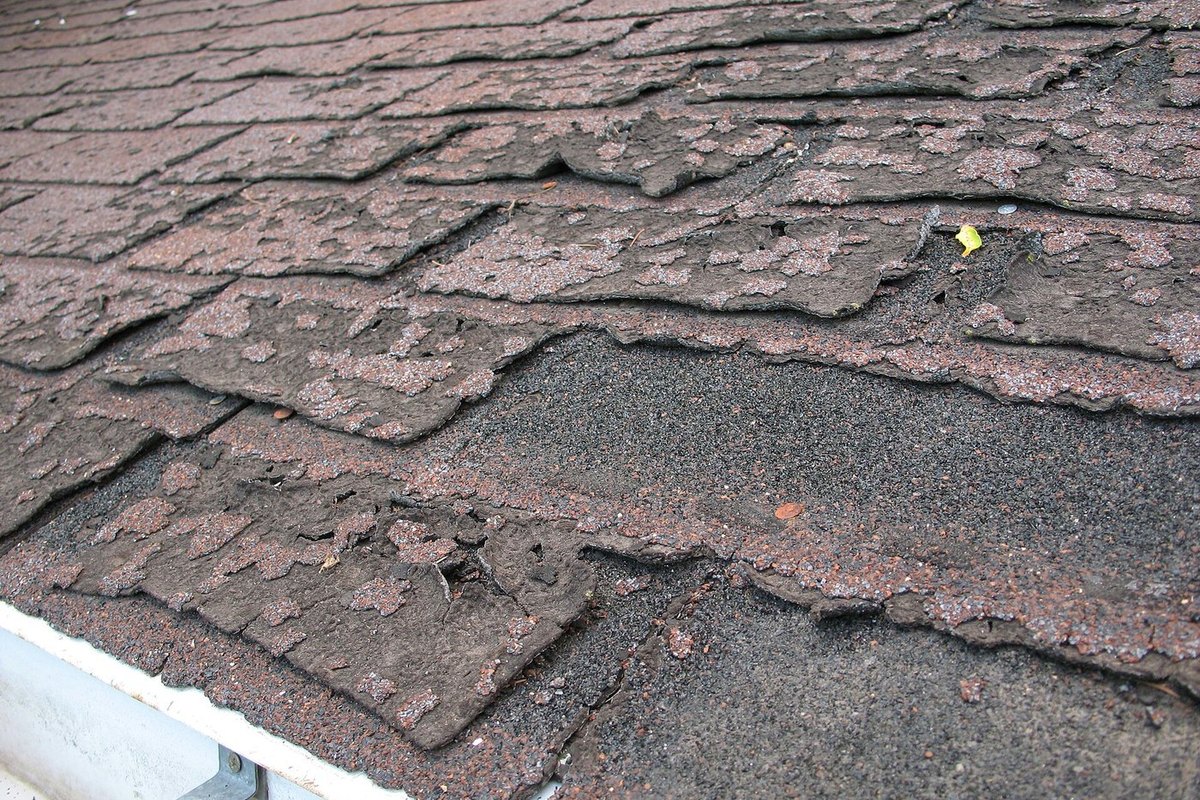
- Cracked underlayment beneath tile that looks completely fine from above, since the tile itself rarely fails first
- Clogged scuppers or drains on flat roofs, causing ponding water to sit and find its way through a seam it would never have reached otherwise
Why waiting makes it worse here specifically
Arizona’s pattern of long dry stretches followed by intense monsoon storms means a small leak can sit undetected for months between rain events, then suddenly show real damage during the next storm. Each cycle adds more water exposure to framing, insulation and drywall that was already compromised, turning what would have been an affordable repair into a much bigger one.
“After Jimmy and his crew finished with my roof, the remediation people came in and removed the drywall on the ceiling and walls. To my dismay, there was an area of roof decking which had obviously been water damaged repeatedly over time. … (The area was near the back wall of the house, and apparently not visible from the roof side)”
 Patti M.Google reviewRead on Google
Not sure where it’s coming from?
We trace leaks to their actual source rather than guessing from the stain, so you get the real fix instead of a patch that fails again next monsoon season.
Call Circle G Roofing at (602) 791-6415 or toll free at (877) 239-1274, or request an inspection. We handle emergency leaks 24/7 and cover Scottsdale, Paradise Valley, Cave Creek, Carefree, Phoenix and the wider Maricopa County area.
Frequently Asked Questions
Can a roof leak without any visible water inside?
Why does my roof only leak sometimes?
How can I find a hidden leak myself before calling someone?
Talk to Circle G Roofing
Family-run roofers serving Scottsdale, Paradise Valley, Cave Creek, Carefree and the Phoenix area.